
Hunting Safaris in Tanzania
We hunt in all the major regions of Tanzania, including Western Tanzania, the Selous and Masailand, in large government hunting concessions.
We hunt all the species available in Tanzania, and clients are accommodated in serviced luxury tented camps. Stone Hunting Safaris has been guiding hunters in Africa since 1998, and we take care of the permits, camps and logistics so you can focus on the hunt.
Hunting Season 1 July to 31 December.

The Hunting Experience
Hunting areas
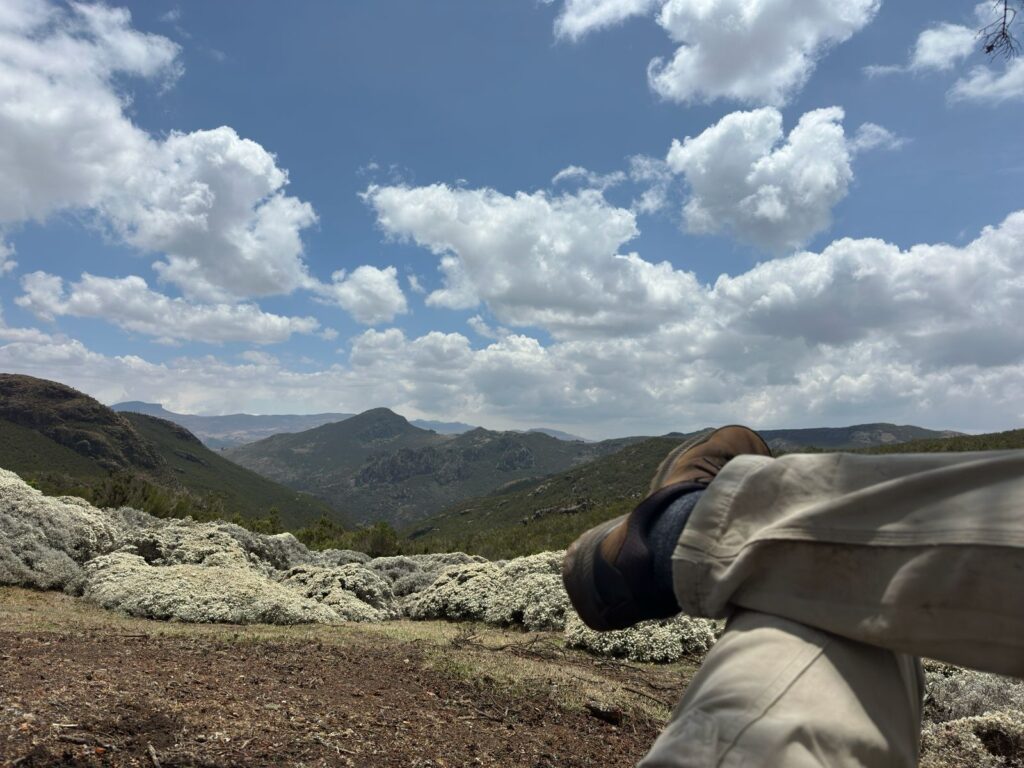
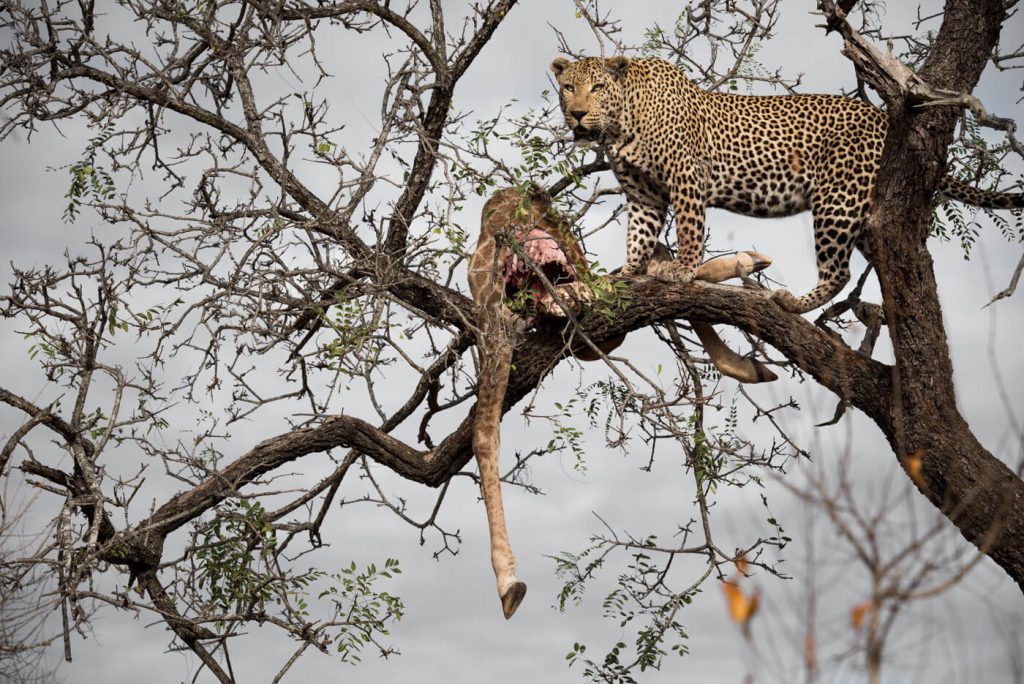
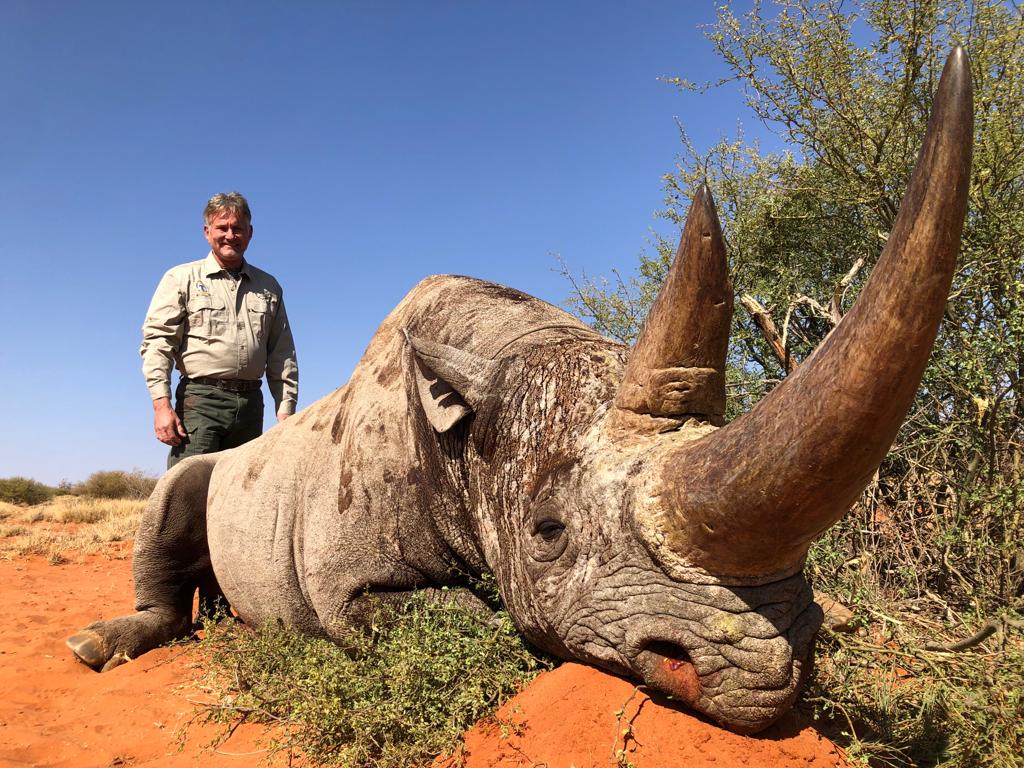
Hunting takes place in all the major regions of Tanzania, including Western Tanzania, the Selous and Masailand, depending on the species required by the client. We hunt all the species available in Tanzania.
All hunting is done in large government hunting concessions. Clients are accommodated in serviced luxury tented camps that provide all meals and a laundry service.
Climate
Tanzania’s climate is generally sunny and pleasant. Winters are cool to mild. October to December can be warm, but is generally not too bad as it is the build-up to the rainy season and most days will have good cloud cover.
Planning your safari
Travelling, accommodation and meals
Please make provision for all accommodation and travel expenses before and after your safari. Upon your arrival in Tanzania, you will be welcomed by our staff at the nearest port of entry to the hunting area and transported to the camp/lodge by either air charter or ground transport. Depending on the required species and hunting areas, you will be based in a serviced tented camp. Linen and basic toiletries are provided. All meals, drinks and a laundry service are provided.
Customs, visas and insurance
Customs clearance is operative at your port of entry into Tanzania. Tanzania requires a passport valid at least 6 months beyond your departure date and depending on your country of origin, a visa. Insurance for personal effects, luggage and trip cancellation as well as medical casevac is strongly recommended. A visa can be obtained on arrival for $50.
Currency & Spending money
The local currency is the Tanzanian Shilling. Cash is preferred. It is customary to tip staff in recognition of good service, a guideline for tips would be approximately $1,500 per week for a hunting safari in Tanzania.
Health and Safety
Fully equipped medical kits and satellite telephone or radio communication are available in case of an emergency. Tanzania is a high-risk malaria area – consult your doctor or travel clinic and take the necessary precautions. Always carry your travel documents, travellers’ cheques and cash on your person or ask the outfitter to keep it in safe custody.


Permit and Firearms
Documentation
Certain species require permits, which must accompany the hunting party.
Arms and ammunition
A gun permit is required for Tanzania. When booking a hunt with us, we will arrange all the necessary gun permits and have them ready on your arrival in Tanzania.
Packing list
The following is recommended
Packing, dipping & shipping of trophies
An import and export CITES permit for Appendix I and an export CITES permit for Appendix II animals are required for each shipment. Field preparation of trophies are done in camp and transported to a shipping agent designated by the outfitter. Clients will be put in touch with the shipping agent to discuss their requirements and arrange for the payment of services. Clients should have sufficient trophy tags and full shipping instructions handy and should make sure that their skinning instructions are clearly recorded in the outfitter’s hunting register.
Tanzania Hunting Safari FAQs
More hunting destinations
Ready to Hunt in Tanzania?
Tell us which species you’re after and when you’d like to travel, and we’ll put together a hunt that suits you.